
Figure Drawing
Without Guesswork
Mirelox is an online platform built around one subject — drawing the human figure accurately, with understanding rather than habit.
See what we teach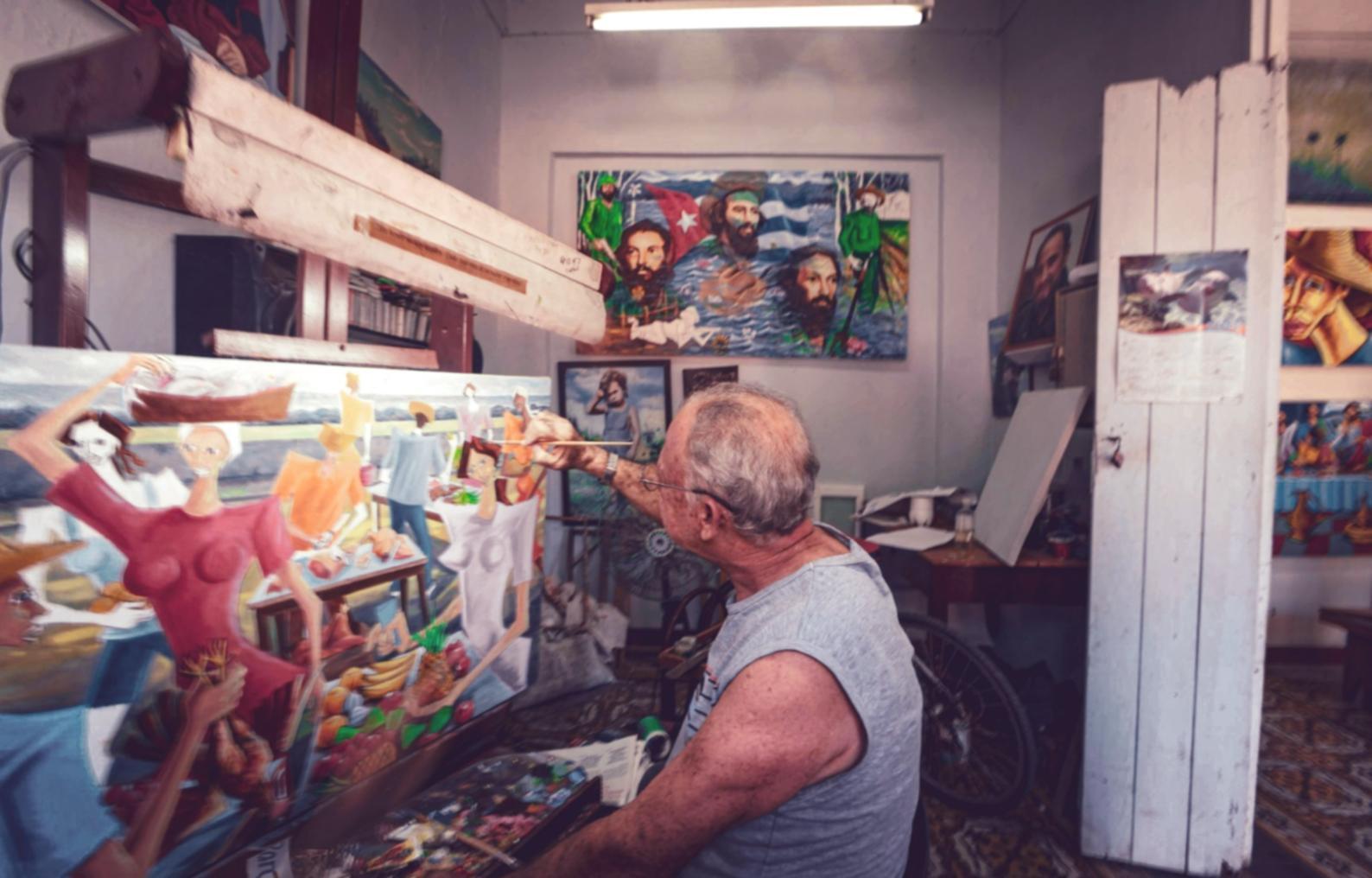
How Mirelox came together
Started in 2023 from a practical frustration: most figure drawing resources scatter attention across too many topics at once, making it hard to build a stable foundation. Mirelox organizes content differently — each lecture addresses one concept completely before moving to the next.
The course structure follows how observational skills actually develop. You start with proportion and structural landmarks, work through gesture and weight distribution, then move into foreshortening and complex poses. Nothing is skipped to make things feel easier than they are.
- Lectures follow a sequential logic — concepts build on each other deliberately
- Reference materials match what is being taught, not generic stock imagery
- Accessible from any device, time zone, or skill level starting point

The person behind the lectures

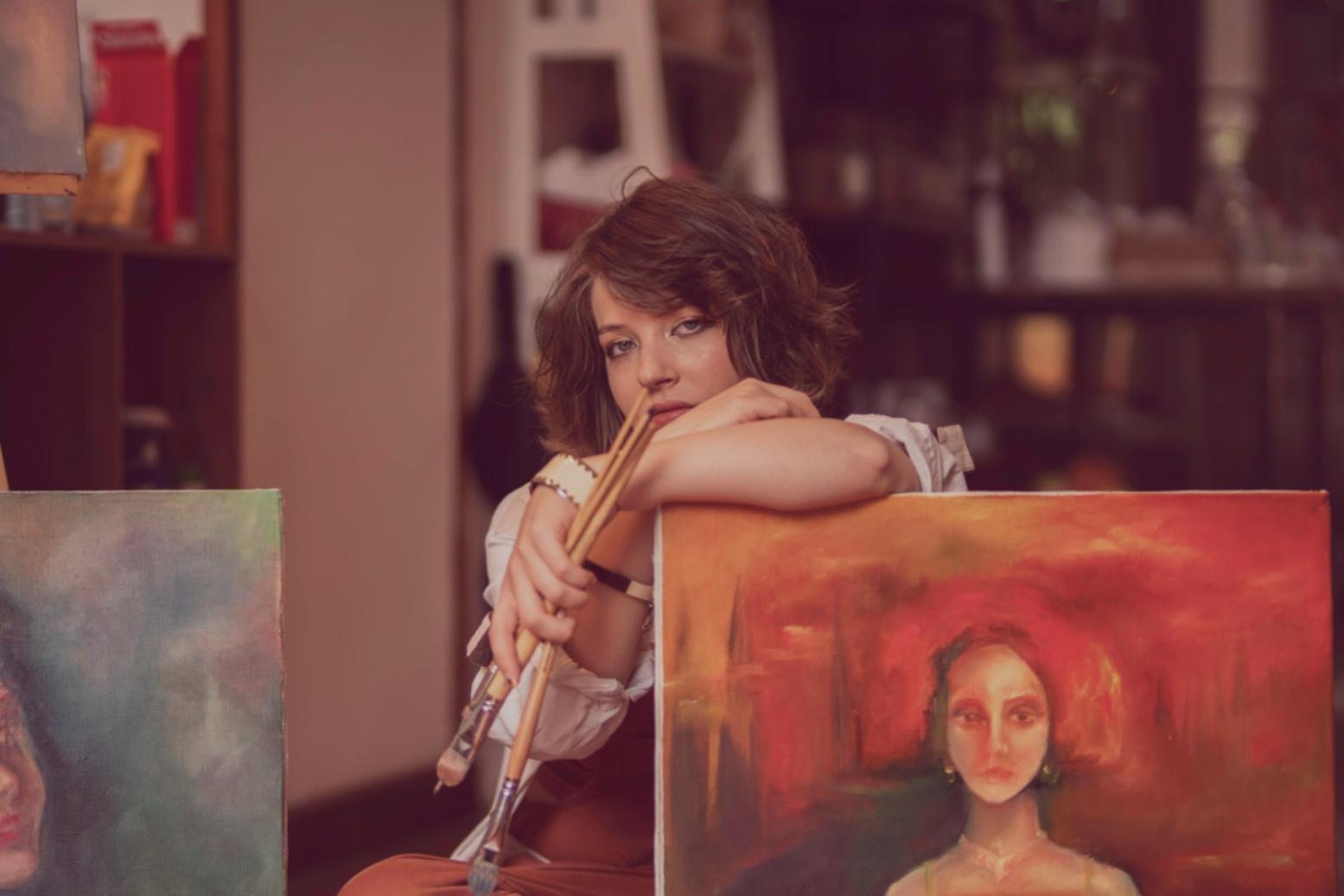
Nadia spent over a decade drawing figures in academic and studio settings before shifting her focus to teaching. What she noticed — working with students at various levels — is that difficulty with the figure almost always traces back to a gap in one of three areas: proportion reading, structural thinking, or gesture sensitivity. The Mirelox curriculum addresses all three in order.
Her lectures are long-form and unhurried. She prefers showing a concept fail before showing it work correctly, because that sequence tends to stick. Assignments are specific enough to be useful and open enough to accommodate different drawing styles.