Drawing the human figure from observation
Structured online lectures on figure drawing — from skeletal proportion and muscle groups to gesture, weight, and line confidence. Each session builds on the last so the sequence makes sense as a whole.


Who teaches here
Mirelox grew out of one consistent frustration: most figure drawing instruction skips the reasoning. Students copy poses without understanding why the body holds that shape, or how weight distribution changes a gesture entirely.
The courses here are built around explanation first — each lecture unpacks the anatomical logic before asking you to draw anything. You learn to see proportion in terms of landmarks, not memorized rules.
Started in 2023, Mirelox has since reached students across Europe, Asia, and the Americas through a fully remote format that fits into varied schedules and working habits.
What the courses cover
Each subject is a standalone module, but they connect logically — you can start anywhere and still get a complete picture within the sequence.
Anatomy and proportion
Skeletal landmarks, the 8-head scale, and how muscle placement changes the visible silhouette. Covered through slow structural diagrams, not rushed sketches.
Gesture and line weight
Reading the action line of a pose before adding any detail. Short timed exercises help build the habit of drawing through the whole figure rather than finishing parts in sequence.
Foreshortening and perspective
Limbs pointing toward the viewer, compressed torso depth, and the spatial logic behind foreshortened forms. Diagrams compare the seen shape against the known shape.
Student work from recent sessions
Figures drawn during module exercises — different skill levels, same core methods. Progress shows in the structure, not just the finish.



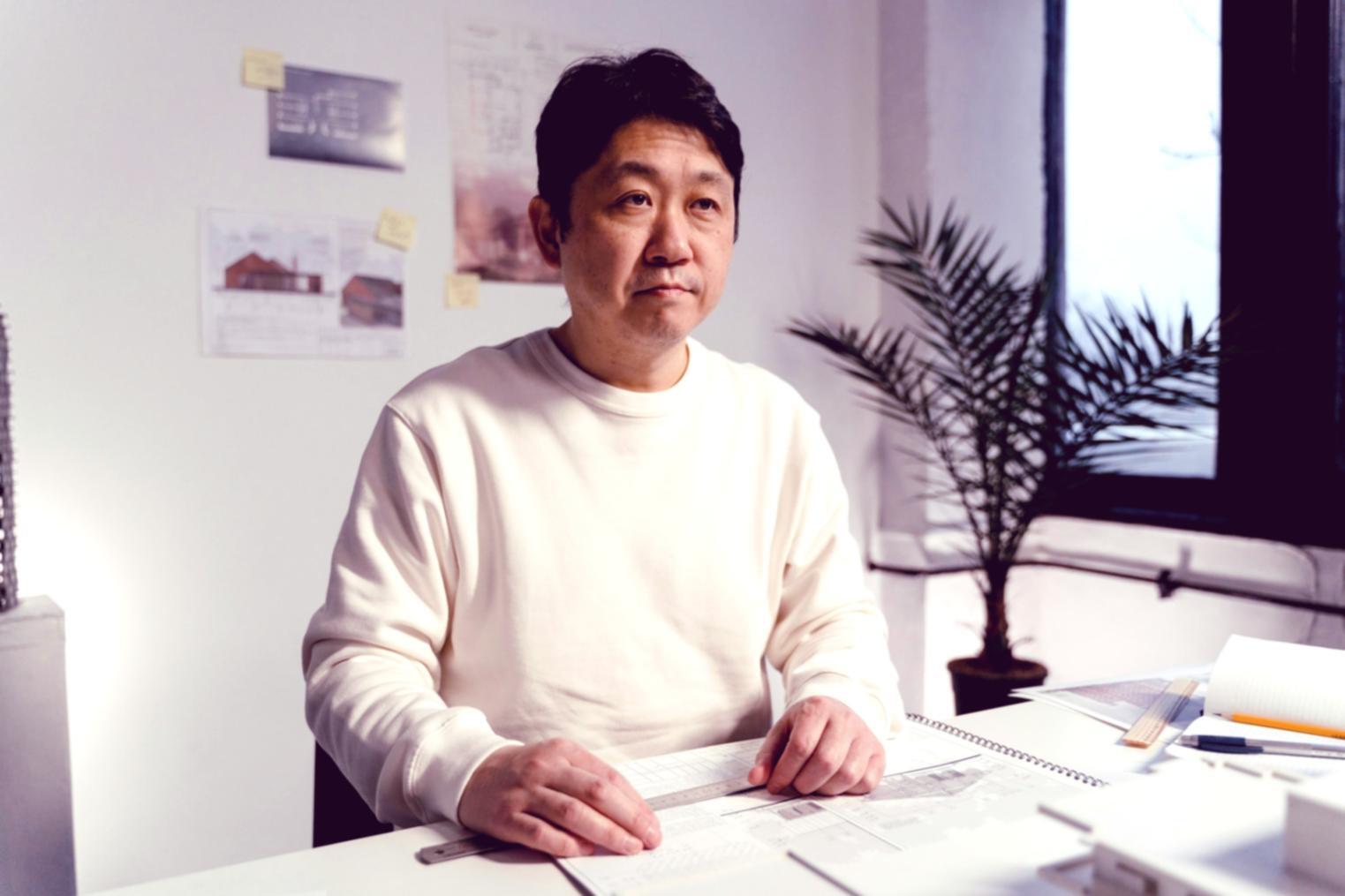
"The anatomy module changed how I look at reference photos. I stopped seeing a pose and started seeing weight and structure — the drawing followed from that."
Where to start if you are new to figure drawing
The introductory module requires no prior anatomy knowledge. It covers the core framework — proportion landmarks, basic gesture reading, and the logic of structural lines — and gives you a foundation every other module builds on.
If you have some drawing experience but want to fix proportion problems or make gestures feel more alive, the intermediate modules address those issues directly without repeating fundamentals you already know.